4 Key Trends Influencing Healthcare Environments Today and Tomorrow
Healthcare environments are being asked to do more than ever before. Facilities must support evolving care models, integrate emerging technologies, attract and retain clinical talent, and stay operational under increasing financial pressure. The decisions made during planning and construction today will directly influence patient experience, staff efficiency and long-term operational performance.
As a result, healthcare construction is increasingly shaped by the need for environments that function with greater clarity, flexibility and operational performance. As care models change, organizations are rethinking how their facilities can respond to shifting demands and evolving requirements.
With deep experience in healthcare, McCownGordon partners with clients to build spaces that elevate care and support long term performance. Below are four key trends shaping how today’s healthcare environments are planned, designed and built—while positioning facilities to evolve for the future.
1. Purpose-Built Spaces for Behavioral Health
As demand for behavioral and mental health services continues to grow, healthcare organizations are expanding and upgrading facilities specifically designed to support mental health care within their communities. These environments must address the unique needs of inpatient and outpatient behavioral health services by balancing safety, durability and operational clarity with spaces that support dignity and healing.
Expanded exam areas, thoughtfully designed waiting spaces and circulation that balance privacy with appropriate visibility help reduce risk, improve patient flow and create spaces that feel supportive rather than institutional. This approach is reflected in McCownGordon’s work with Ascension Via Christi, where behavioral health spaces were designed to respond to increasing community demand while supporting safe, efficient care delivery within an active hospital environment.
Read about Behavioral & Mental Health Design
2. Medical Equipment Fleet Modernization
Across healthcare systems, aging medical equipment is driving a wave of facility upgrades. High value technologies such as MRI machines, CT scanners, surgical equipment and linear accelerators represent significant capital investments and require specialized construction to install, replace or modernize. As these systems reach the end of their lifecycle, hospitals must carefully plan upgrades to maintain performance, safety and reliability.
At The University of Kansas Health System, McCownGordon has supported multi-year surgical and radiation therapy modernization efforts within active care-giving environments. This work requires careful sequencing, a strong understanding of hospital operations and close coordination to complete upgrades while maintaining continuity of care.
3. Emerging Technology Shaping Care Environments
Technology is playing an increasingly influential role in how healthcare environments are planned, designed and built. Healthcare organizations are exploring new ways to extend care beyond traditional settings, support clinical teams and reduce administrative burden. This includes the expanded use of telemedicine and telehealth platforms for virtual visits and remote patient monitoring, digital tools that streamline documentation and clinical workflows, and emerging advancements such as robotics and AI-driven surgical technologies.
While many of these technologies are still evolving, their adoption will have a meaningful impact on space planning, infrastructure and clinical workflows. Facilities designed today must account for flexibility, enhanced power and data needs, and adaptable layouts to ensure environments can evolve as technology continues to shape the future of care.
4. Flexible and Adaptable Design
As healthcare needs continue to evolve, flexibility has become more critical than ever, especially in today’s economic environment marked by rising construction costs and extended material lead times. Facilities that can adapt over time allow healthcare organizations to respond to changing service demands while avoiding unnecessary disruption and expenses. Designing spaces with future evolution in mind helps protect long‑term investments and supports operational resilience as conditions change.
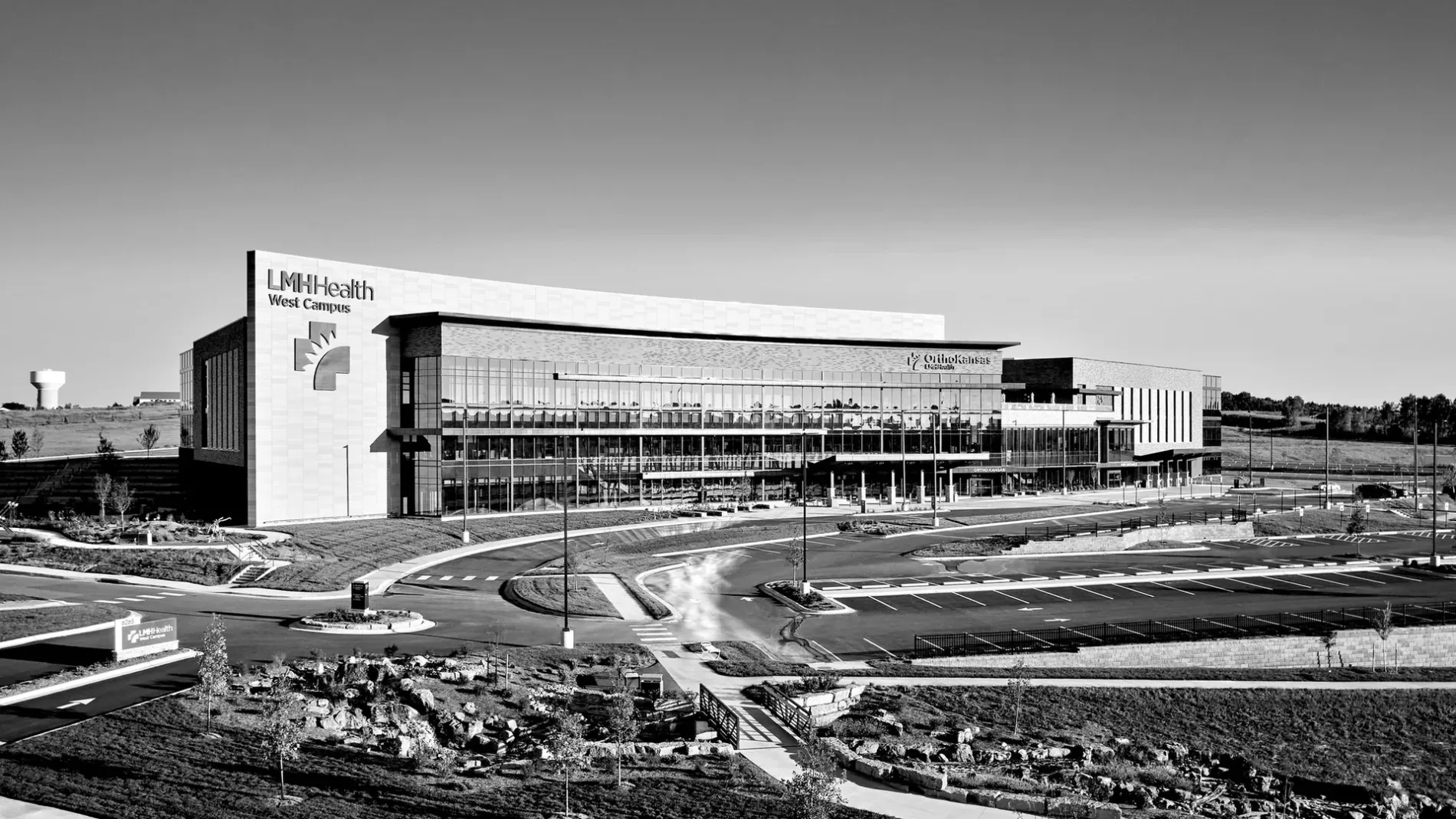
This approach is exemplified at the LMH Health West Outpatient facility, where shell space was intentionally included during the original construction nearly eight years ago to accommodate future growth. Today, that space is being built out to support new and expanded services, allowing LMH Health to grow efficiently while avoiding the cost and complexity of new construction. This approach resulted in substantially lower construction costs, minimal impact on active care-giving operations and the opportunity to quickly adapt as healthcare demands change.
View the LMH Health West Campus
Across these trends, it’s clear that healthcare construction is shifting toward environments that are intentionally designed to support evolving care models, advancing technology, and long-term operational needs. These changes shape how care is delivered, supported and sustained over time.
As an industry leader, McCownGordon remains committed to supporting healthcare organizations with thoughtful planning, open communication and solutions tailored to their unique needs. Our team is focused on building high-performing spaces that strengthen care delivery and serve communities well into the future.