Top 5 Essentials for Modern Fire Station Design
Considerations for creating resilient, firefighter-focused facilities
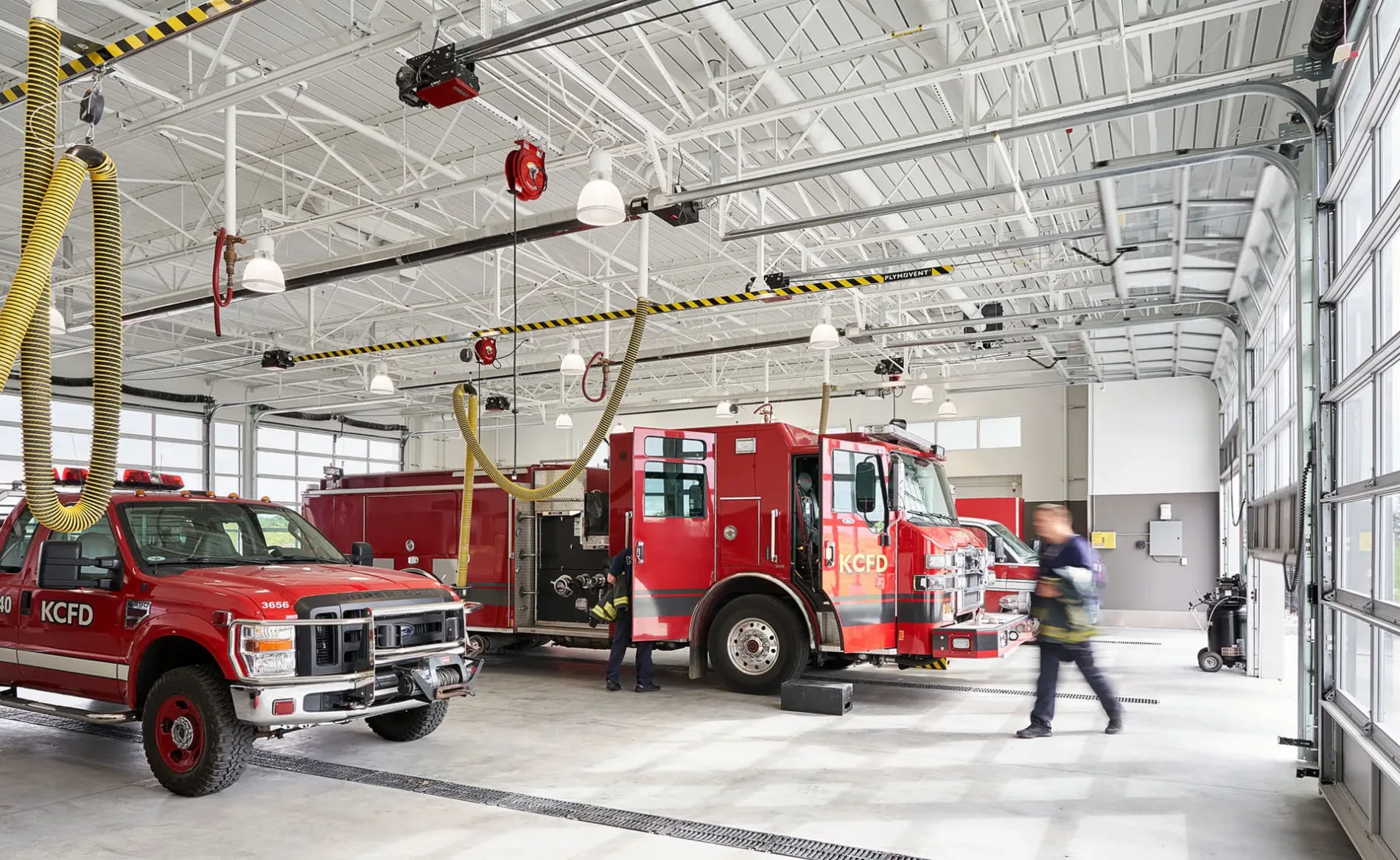
Fire stations must operate as both mission‑critical emergency facilities and comfortable living environments for the crews who spend significant portions of their careers inside them. With firefighters spending nearly a third of their professional lives in the station, modern fire‑station design is evolving to better support their physical, mental and emotional well‑being. Today’s facilities prioritize health, safety, resilience and residential comfort—ensuring they operate efficiently while truly serving those who serve the community.
At McCownGordon, our team brings extensive experience delivering new fire stations across the region. Through these projects, we’ve identified the top five considerations that should guide the design and construction of any modern fire station:
1. Wellness, Comfort & Amenities
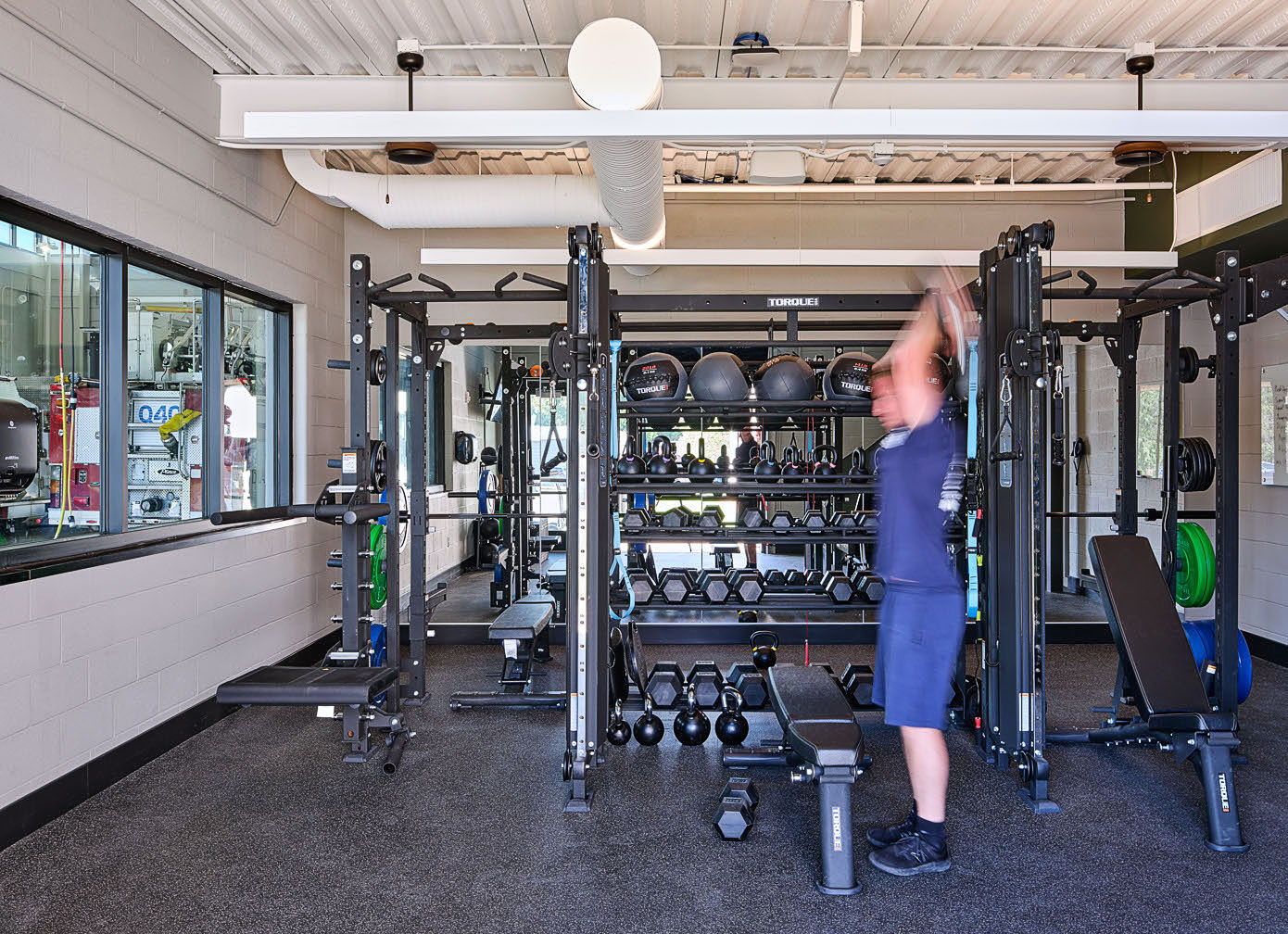
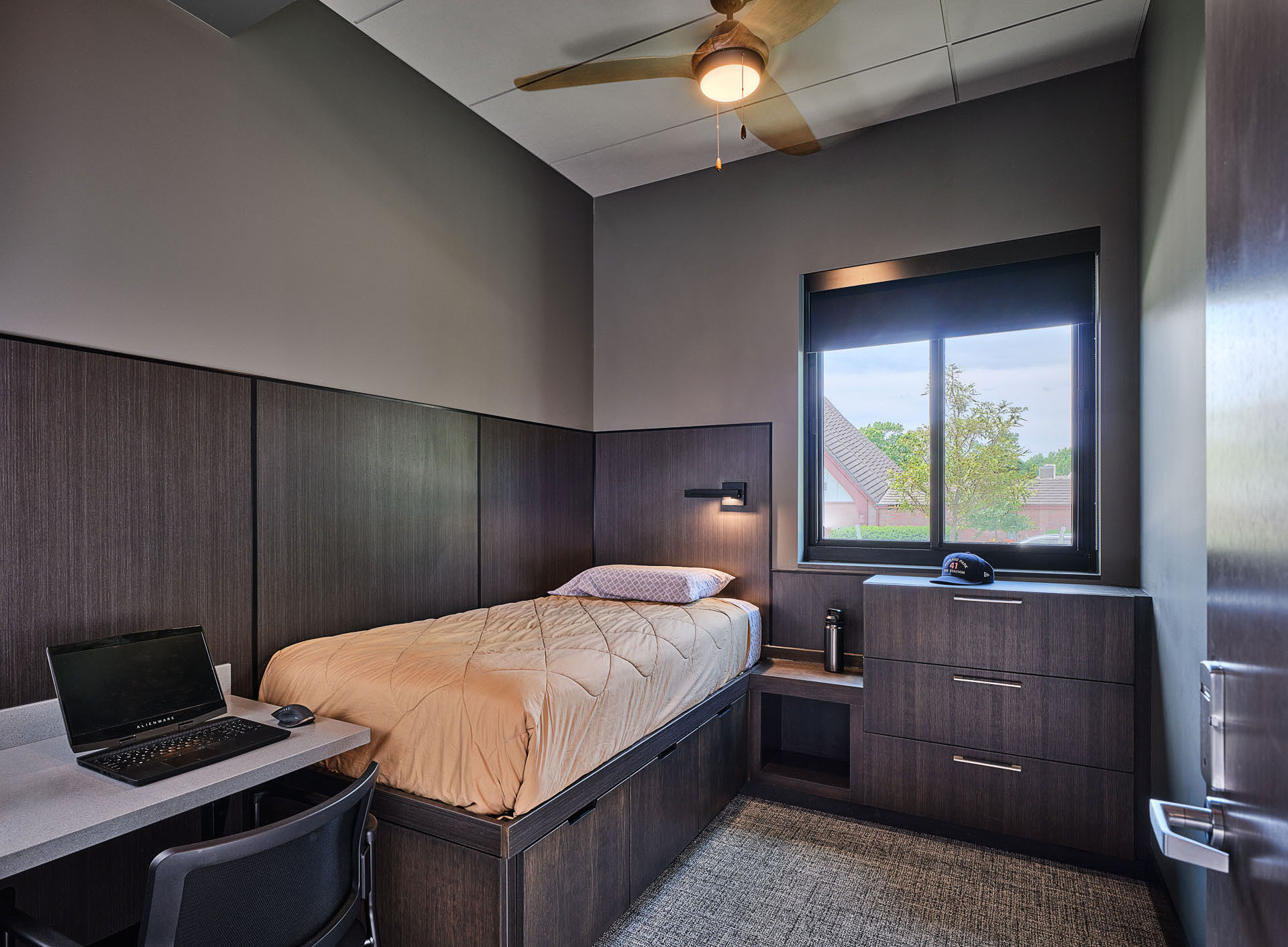
Supporting the holistic well‑being of firefighters is a top priority. Stations now incorporate dedicated spaces for fitness, tactical therapy and decompression. Residential comfort also plays a key role, with features like individual temperature‑controlled bunk rooms and quiet zones that help firefighters rest and recover between calls.
2. Resilience & Durability
Fire stations must remain operational during extreme weather and high‑demand events. Designing hardened structures, incorporating backup power and planning for continuity of operations are essential. Material selections prioritize durability, low maintenance and long-life cycles to meet the rigorous demands of firefighting environments.
3. Recruitment & Retention
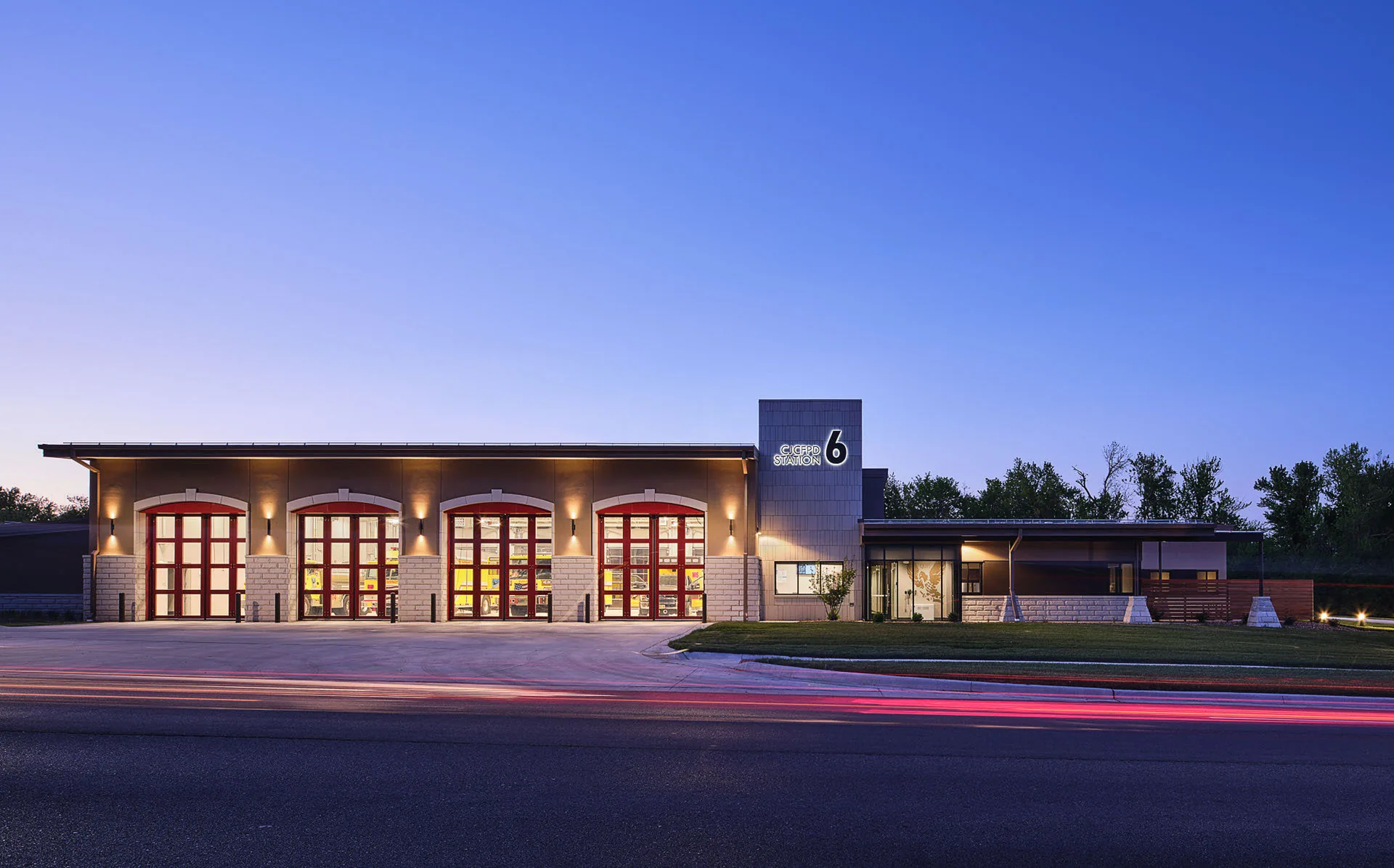
Modern stations act as a tool for attracting and retaining skilled firefighters. Improving dorm layouts for increased privacy, providing well‑designed common spaces and creating an environment that reflects pride in the department all contribute to long‑term satisfaction and morale.
4. Training Integration
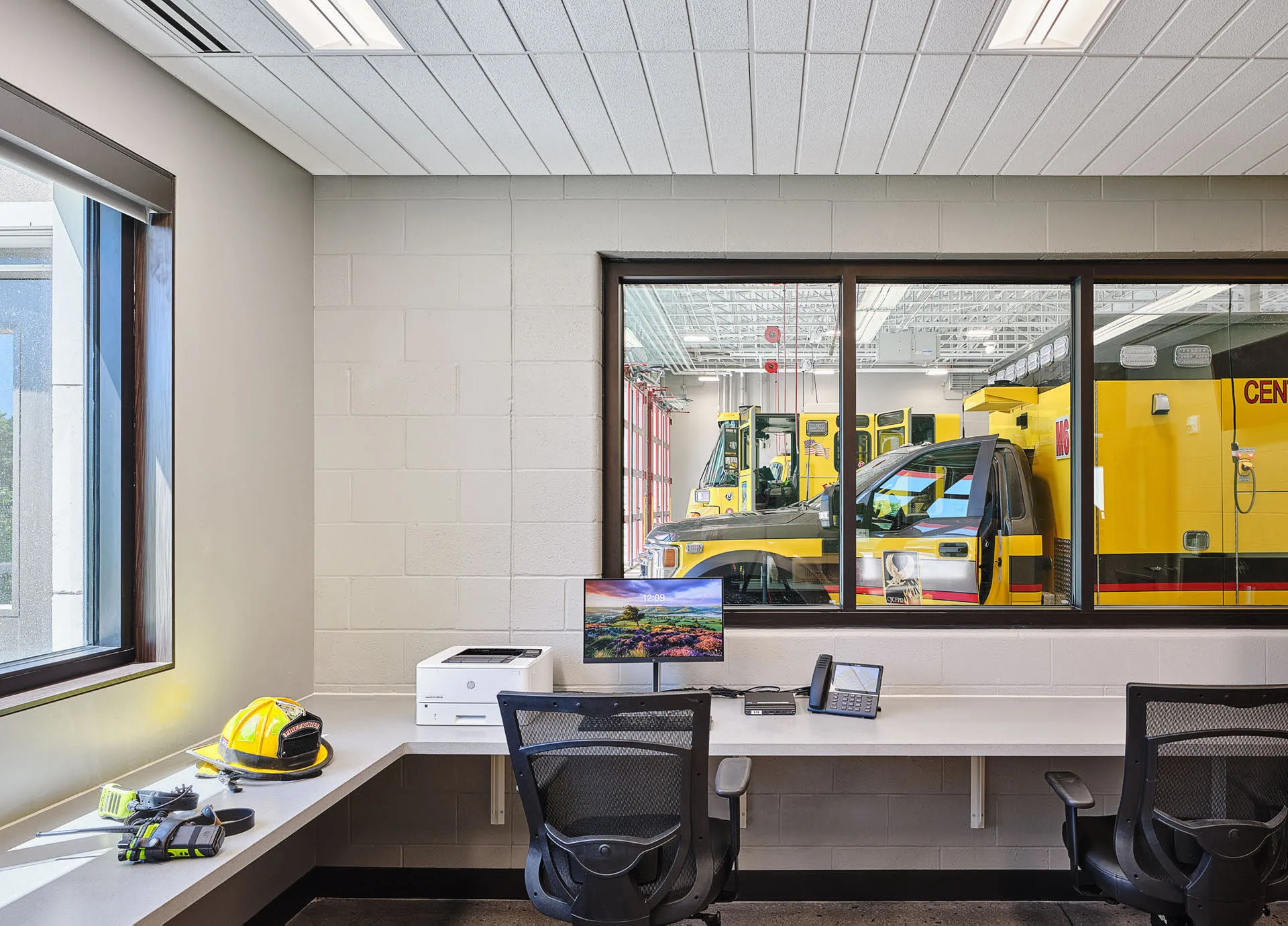
Training opportunities should be built directly into the facility. Incorporating features such as drill towers, simulation areas and flexible classroom space allows departments to conduct ongoing training on site—without disrupting daily operations or emergency response readiness.
5. Future Expansion & Adaptability
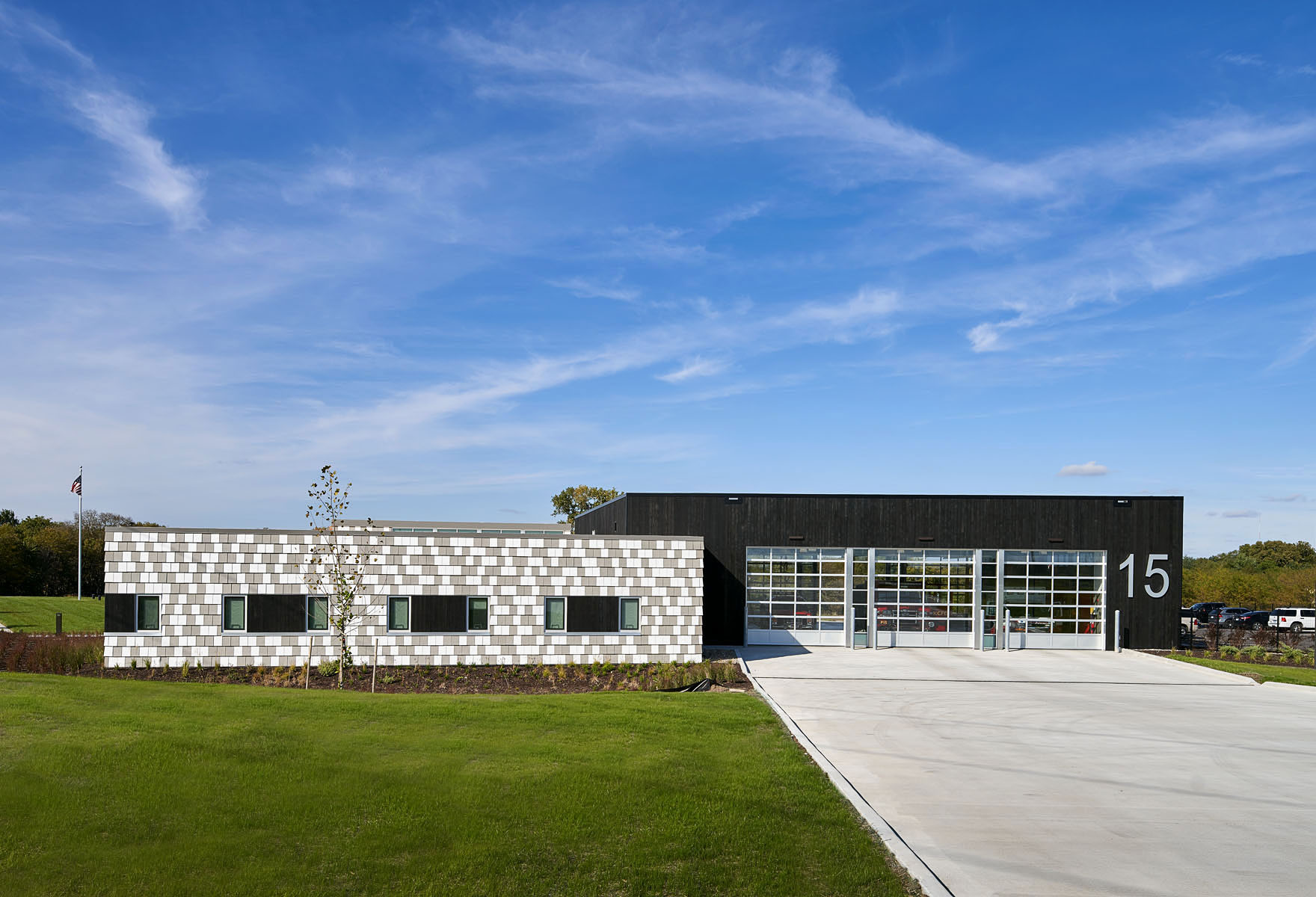
Fire stations must be designed with future needs in mind. Flexible structural layouts, site planning for additional apparatus bays and adaptable interiors ensure the facility can evolve as staffing models, equipment and community demands change over time.
If you’re planning a new fire station or looking to modernize an existing facility, our team is here to help. We’d love to discuss your goals and learn how McCownGordon can support your department with thoughtful, future-ready design and construction solutions.